
Attractions
Inflatable aqua parks: the resort pool upgrade
Oct
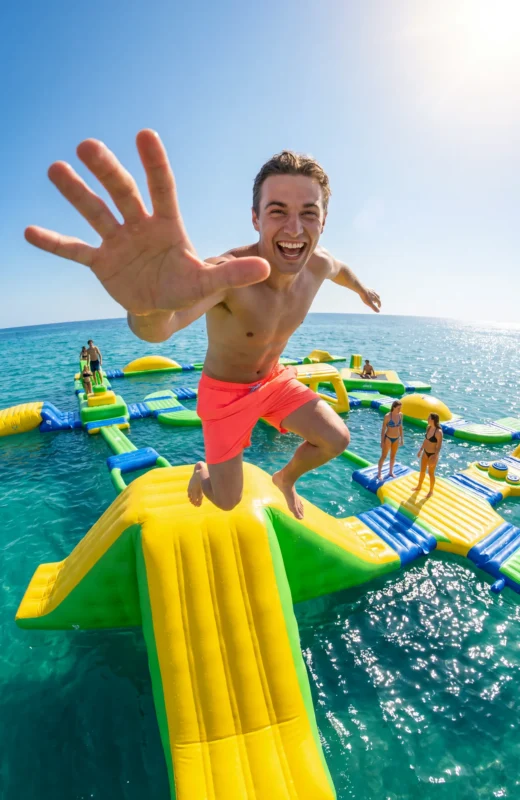
Most resort pools are beautiful and mostly empty. Guests swim a length, take a photo and head back to the sunbed. An inflatable aqua park changes that overnight. Suddenly there is climbing, sliding, balancing and a lot of splashing, and families stay in the water for hours.
What an inflatable aqua park is
An inflatable aqua park is a modular set of floating obstacles anchored in a pool, lake or calm sea. Pieces connect into a course: climbing walls, slides, balance beams, trampolines, monkey bars and launch pads. Because it is modular, the layout can be scaled to the water body and reconfigured when guests start to know it by heart.
The appeal is broad. Children love it, teenagers compete on it and adults rediscover a playful streak they forgot they had. It photographs well, which matters for resorts selling weekend getaways on social media.
Pool or lake: sizing the park
Water depth is the first question. Guests jump and fall off, so the water beneath the park must be deep enough for safe landings. Shallow ends and steps are usually excluded from the footprint. In a lake, depth varies by season, and a monsoon-fed reservoir can drop sharply by summer.
Space around the park matters just as much. Leave clear water between modules and the edge, room for lifeguards to see every section and a defined entry and exit point.
- Small pools: a compact course of a few modules for younger guests.
- Large pools: a linked circuit with a slide, climbing wall and balance elements.
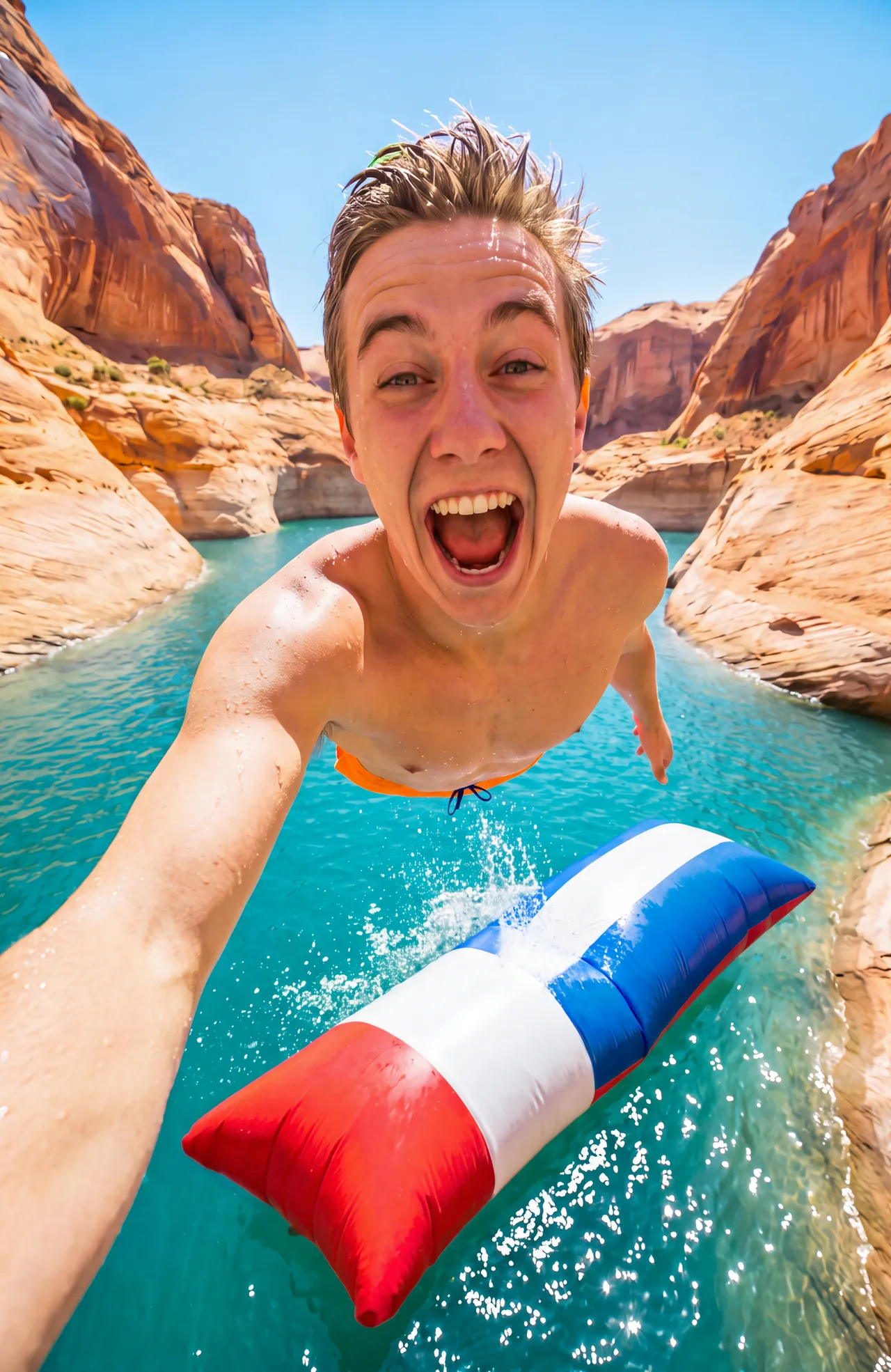
- Lakes and backwaters: larger parks with launch pads and towers, anchored to the bed.
Safety is the product
An aqua park is only as good as its supervision. Every guest wears a properly fitted life jacket, without exception. Trained lifeguards watch from fixed points and from the water. Sessions are time-boxed, with a short safety briefing at the start, and age or height rules separate small children from adults on the bigger elements.
Anchoring and inflation pressure are checked daily. Seams, valves and connection points are inspected for wear. In lakes, the area around the park is cleared of debris and marked with buoys so boats stay away.
The best aqua parks look chaotic from the shore and are completely controlled from the lifeguard’s chair.
Running it as a business
Aqua parks are typically sold in timed sessions of thirty to sixty minutes, which keeps throughput steady and gives lifeguards structured breaks. Resorts often include a session in packages for in-house guests and sell extra slots to day visitors. Birthday groups, school trips and corporate offsites fill weekday mornings.
Plan for seasonal operation. In the plains, the busy months are the hot ones. Monsoon storms and cold winter mornings will slow things down, which is the right moment for deflation, cleaning and repairs.
- Survey depth, space and access for set-up.
- Choose modules for your guest mix and throughput target.
- Train lifeguards and session staff before opening day.
- Set daily, weekly and seasonal maintenance routines.
Store the park clean and completely dry when it comes out of the water. Folding it wet invites mildew and weakens seams, and next season starts with repairs instead of revenue.
Add-ons that lift revenue
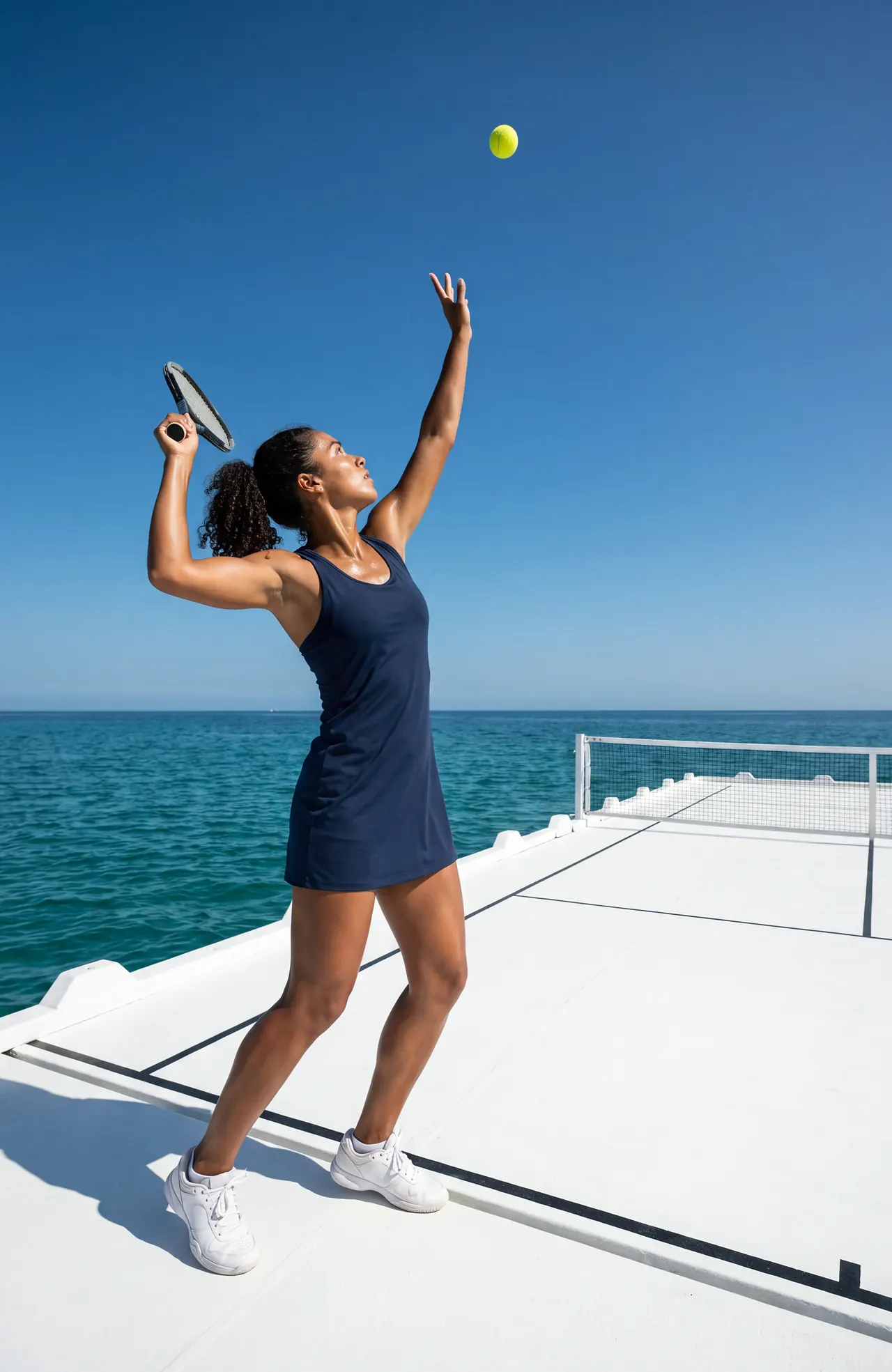
Lockers, life jacket rental, GoPro footage, poolside snacks and photo packages all add to spend per head. Some resorts pair the park with a floating tennis court or other water games to create a full water zone. Browse modules in our attractions catalogue.
FAQ
Do guests need to know how to swim?
Strong swimming is not always required, but every guest must wear a life jacket and follow the age and height rules set by the operator. Lifeguards are mandatory.
Can we install it in our existing pool?
Often yes, if depth, size and anchor points are suitable. A site check confirms the layout before you order.
How long does installation take?
A typical pool installation takes a day or two once the site is ready. Larger lake parks with anchoring take longer.
Planning something like this?
Talk to us on WhatsApp


