
Audiences
Attractions for Shopping Malls: Small Footprint, Long Dwell Time
Oct
A mall sells time before it sells anything else. The longer a family stays, the more it spends on food, apparel and the impulse buy near the exit. Compact attractions are one of the few tools that add hours, not minutes, to a visit, and they do it on space that often earns little rent today.
Why dwell time matters more than footfall
Footfall counts who walks in. Dwell time tells you whether they stayed long enough to spend. In our experience, a family that books a 30 to 45 minute activity typically adds a meal or a snack round to its visit, and often returns on a weekend when the children ask to go back.
Indian malls face a familiar pattern: busy weekends, quiet weekday afternoons and an upper floor that never quite fills. The right attraction gives people a reason to climb that last escalator. It also gives the leasing team a story to tell retail tenants.
- Anchor effect: a visible attraction pulls traffic past shops that would otherwise be skipped.
- Food court lift: active play builds appetite, and parents wait with a coffee.
- Repeat visits: children who enjoyed a session become the family’s planning committee.

Choosing attractions that fit tight spaces
Mall real estate is expensive, so every square foot has to work. We look for attractions with a high throughput per square foot, short session times and low staffing needs. Ceiling height, floor loading and fire exits shape the shortlist before any brochure does.
- Skill games such as a robotic goalkeeper or reaction walls need a small bay and one attendant.
- Mirror mazes and illusion rooms work well in windowless units that are hard to lease to retail.
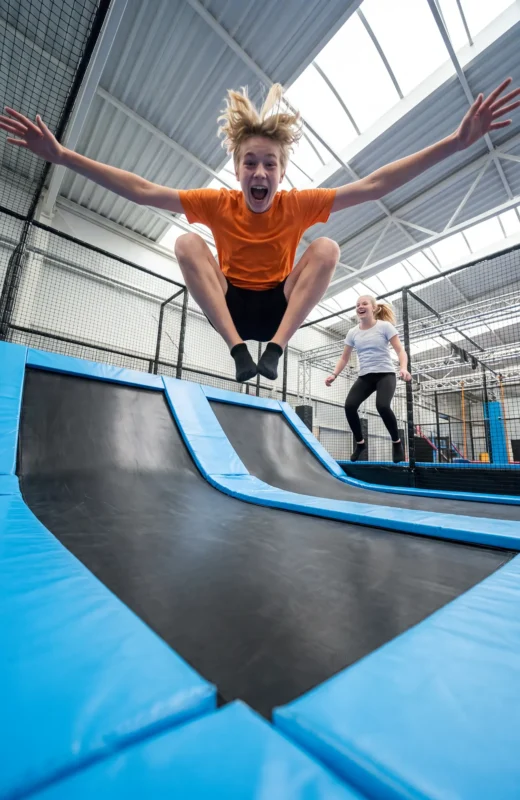
- Trampoline zones suit larger units and deliver longer sessions with strong birthday party demand.
- Sky walks and rope courses use atrium height that is otherwise empty air.
Making the numbers work
Mall operators usually choose between three models: owning and running the attraction, leasing space to an operator, or a revenue share. Each has a different risk profile. Ownership keeps the upside but adds staffing and maintenance. Revenue share aligns both parties but needs clean ticketing data.
Whatever the model, budget for the unglamorous items: flooring, ventilation, lighting, signage and a point-of-sale system that talks to the mall’s loyalty programme. GST treatment varies by model, so involve your accountant early rather than at invoice time.
The best mall attraction is the one shoppers can see from the escalator and want to try before they reach the top.
Design for visibility and flow
Put the attraction where it can be seen, but not where its queue blocks a shopfront. Glass frontage and a viewing gallery turn waiting parents into an audience and every session into free advertising. Keep the entry and exit separate so the next group is not colliding with the last.

Run a two-week pop-up of a compact attraction before committing to a permanent build. Ticket data from your own shoppers beats any projection we, or anyone else, can give you.
Safety and operations
Malls carry a high public liability profile, so safety cannot be an afterthought. Insist on documented installation checks, daily inspection routines, trained operators and clear rules at the entry. Age and height limits should be posted plainly, not buried in a waiver.
Plan cleaning, staff rotations and peak-hour capacity with the same care as the build. An attraction that is closed on a Saturday afternoon for a minor fix costs more goodwill than money.
- Daily pre-opening checks with a signed log
- Trained operators on every shift, with a clear escalation path
- Spares for high-wear parts held on site
- Session caps that match the actual space, not the hoped-for one
Getting started
Start with a floor plan, ceiling heights and your weekday versus weekend footfall. From there we can usually shortlist two or three formats that suit the space and the shopper profile. You can browse attraction formats on our shop page to get a feel for sizes and styles.
FAQ
How much space does a mall attraction need?
Compact skill games can fit in a few hundred square feet, while trampoline zones and mazes typically need a few thousand. Ceiling height often matters as much as floor area.
Can attractions run in a mall without disturbing shoppers?
Yes. Acoustic treatment, sensible placement and session-based entry keep noise and queues under control.
Do attractions need special approvals in a mall?
Requirements vary by city and building. Fire, structural and local licensing checks are common, and the mall management usually has its own process too.
Planning something like this?
Talk to us on WhatsApp


