
Audiences
School and Campus Adventure Zones: Safety First, Fun Always

Oct
Children learn a great deal on a playing field that no classroom can teach: balance, courage, patience and how to lose gracefully. A well-designed adventure zone gives schools and campuses a safe place to build those skills, and it gives parents one more reason to choose the institution.
What an adventure zone adds to a campus
An adventure zone is more than playground equipment. It is a structured space for physical challenge, teamwork and play, designed around the ages who use it. Schools use it during physical education, clubs and events. Colleges use it for orientation, fests and wellbeing programmes.
- Physical development: climbing, balancing and coordination for growing bodies.
- Confidence: small, managed risks that children choose to take.
- Teamwork: games that need cooperation, not just speed.
- Admissions appeal: parents notice campuses that invest in active learning.
Safety first, by design
Safety in a school setting starts at the drawing board. The layout, materials and supervision plan matter more than any sign on the gate. In our experience, the safest zones are those where age groups are clearly separated and every activity has a sightline from a supervisor’s position.
- Age zoning: separate areas for younger and older students, with equipment sized for each.
- Impact surfaces: appropriate soft flooring or turf under anything with a fall height.
- Clear sightlines: no hidden corners where a child can be out of view.
- Supervision ratios: trained staff for each activity during sessions.
- Inspection routine: daily visual checks and periodic detailed inspections, all logged.
The aim is not to remove every risk from play. It is to make sure the only risks left are the ones that teach something.
Activities that work on campus
The best choices combine fun with learning, and they hold up to heavy daily use. Indoor options matter for monsoon months and hot afternoons, so include at least one covered element.
- Giant games: human chess and ludo teach strategy and patience.
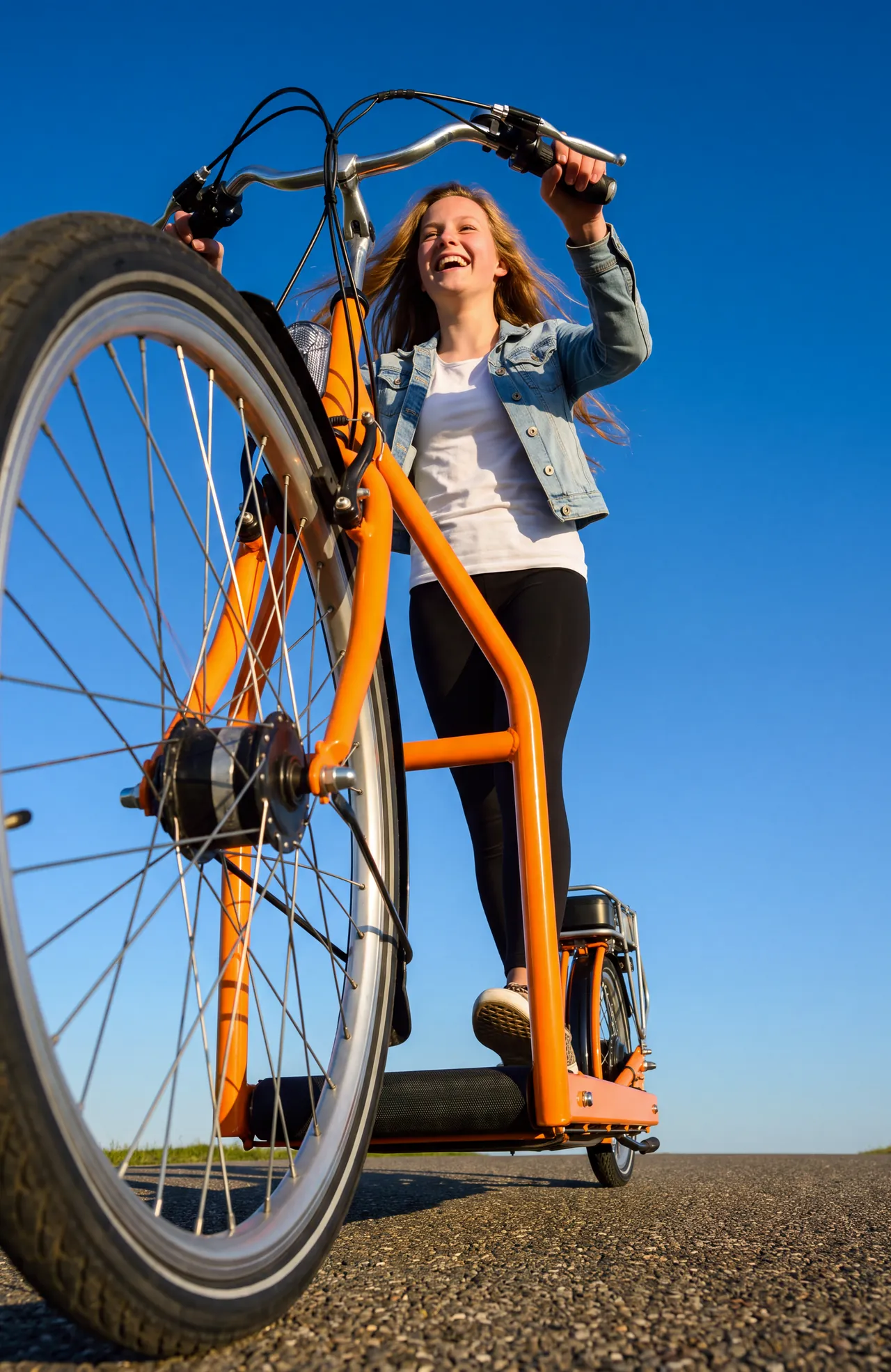
- Balance and coordination: walking bikes, low ropes and stepping courses.
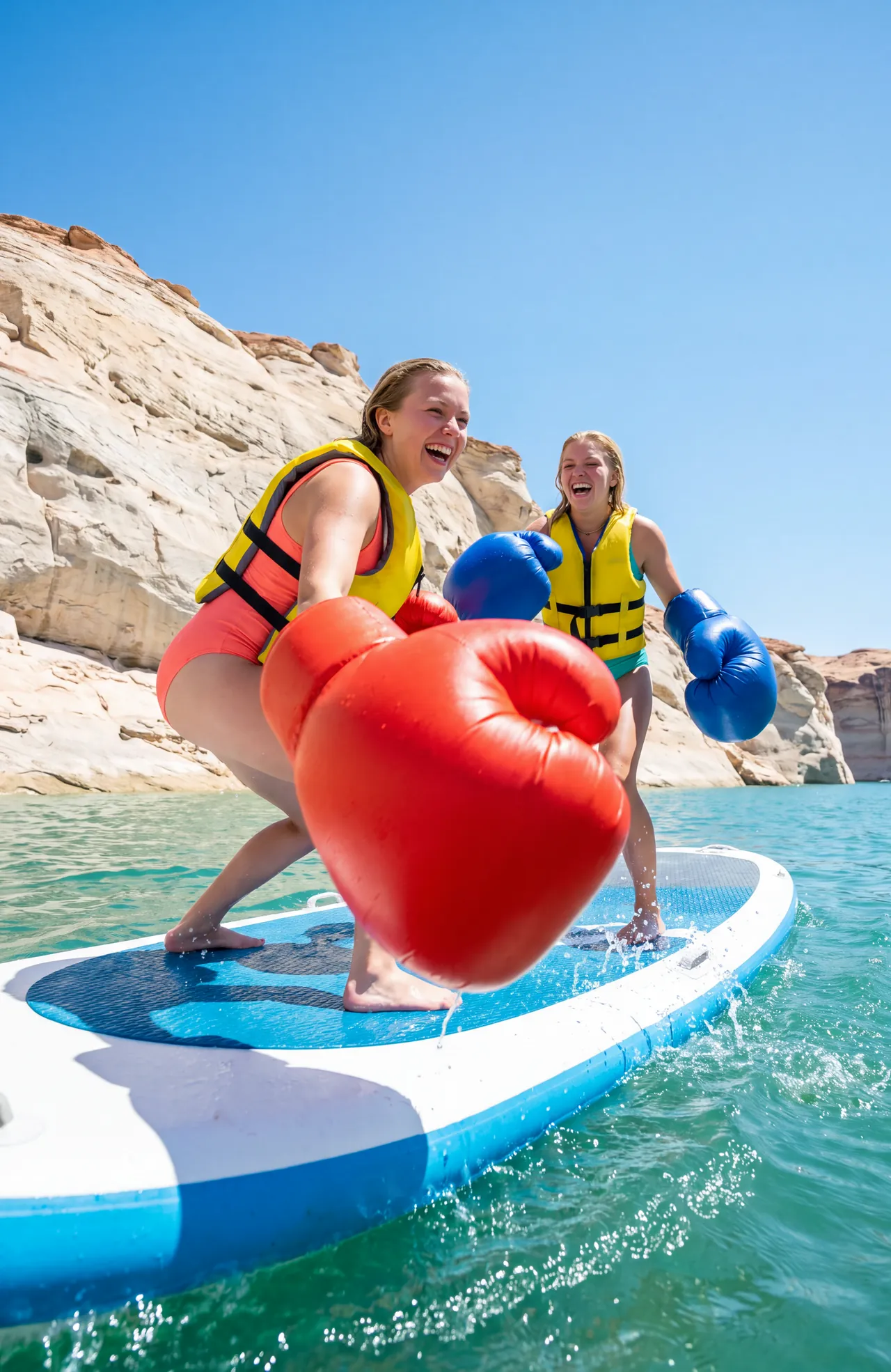
- Friendly contests: padded big-glove bouts and relay challenges for older students, under supervision.
- Inflatables: portable structures for sports days and annual fests.
Working with school leadership and parents
Colleges have slightly different needs. Students are adults, so the focus shifts to challenge, social events and wellbeing. Rope courses, climbing walls and portable attractions for fests work well, and an adventure zone can double as an orientation venue where new students meet each other without the awkwardness of a lecture hall.
Involve the physical education team early. They know the timetable, the age groups and what the children already enjoy. Share the plan with parents through the PTA, including the safety approach and supervision rules. Clear communication heads off worry before it starts.
Budgets in schools are often annual, so a phased plan helps. Start with a core zone and add elements each year as funds allow.
Ask students what they would like to see. A short survey or a drawing competition gives you useful ideas, and children look after spaces they helped design.
Maintenance and lifespan
Campus equipment sees heavy use and Indian weather is not gentle. UV, rain and dust all take a toll. Choose materials rated for outdoor use, budget for annual servicing and train a staff member to carry out daily checks. A small spares kit saves weeks of downtime. If you would like help planning a zone, get in touch with our team.
FAQ
What age groups can use a school adventure zone?
Zones can be designed for pre-primary through college, with equipment and supervision tailored to each group.
Can an adventure zone be used during the monsoon?
Covered or indoor elements keep it usable. Outdoor parts can be closed during heavy rain and inspected before reopening.
Who should supervise the zone?
Trained school staff, usually from the physical education team, with clear rules and ratios for each activity.
Planning something like this?
Talk to us on WhatsApp


