
Trends
Trends Shaping Adventure Tourism in India for 2027

Oct
Indian travellers are spending more of their holiday budgets on doing rather than just going. Adventure tourism is growing well beyond trekking and rafting, into parks, resorts, malls and cities. Here are the trends we see shaping 2027, based on what clients are asking us for and what guests keep coming back to.
1. Experiences over destinations
People increasingly choose a trip for one standout experience. Dining under the sea, a sunrise balloon ride or a sky walk over a valley can put a destination on the map. For operators, this means investing in a signature attraction that is hard to copy and easy to photograph.
Expect more properties to build their marketing around a single hero experience rather than a long list of amenities.

2. All-weather and indoor adventure
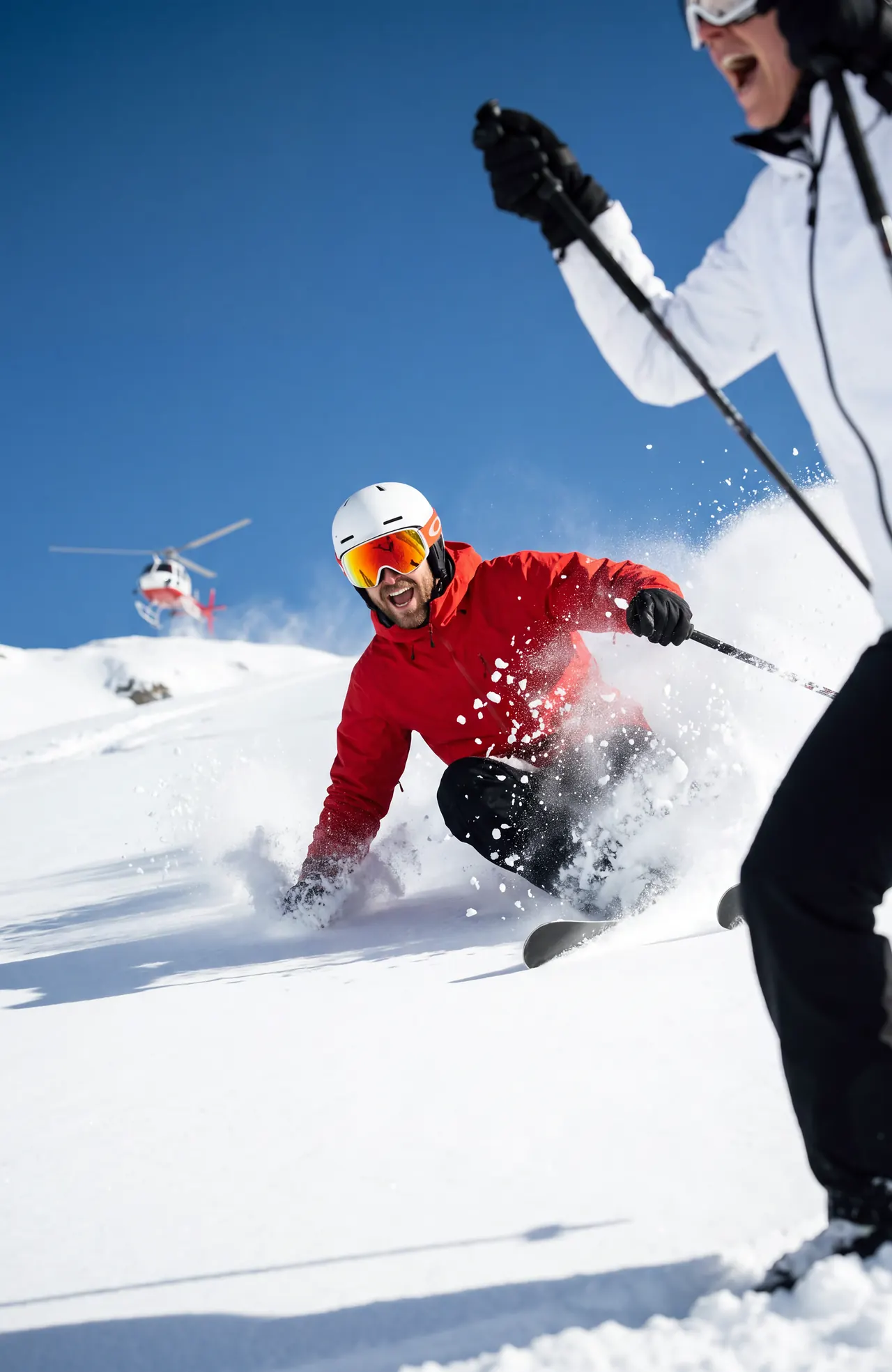
Heat waves and heavier monsoons are pushing operators towards attractions that work in any weather. Indoor snow and ski experiences, tunnel aquariums, mirror mazes and covered trampoline parks let venues earn year-round. In our experience, more clients now ask about weather resilience before they ask about anything else.
3. Tier 2 and Tier 3 cities
Rising incomes and better connectivity mean demand is no longer limited to metros. Families in smaller cities want the same experiences, closer to home. Land is often more affordable, competition is thinner and local authorities are keen on tourism projects. We expect a large share of new parks and FECs in 2027 to open outside the big metros.
- Lower land costs allow bigger outdoor formats.
- Less competition means a well-run venue can become the regional favourite.
- Tourism board interest is opening doors for public-private projects.
The next great adventure park in India is as likely to open near a highway bypass as in a metro mall.
4. Mixed-use and hybrid venues
Boundaries are blurring. Restaurants add attractions, malls add adventure floors, resorts host public day passes and campuses rent their adventure zones on weekends. Hybrid models spread fixed costs across more revenue lines and keep venues busy at different times of day.
Portable and modular attractions suit this trend well. A venue can host a corporate group on Tuesday, a school trip on Thursday and a family festival at the weekend, reconfiguring the same kit each time. Flexibility is quickly becoming as valuable as scale.
5. Water, wellness and soft adventure
Not every guest wants an adrenaline rush. Soft adventure, such as clear kayaks, paddle boats, nature trails and gentle water play, appeals to families and older travellers. Combined with wellness offers, it widens the audience and lengthens stays.
6. Technology and personalisation
Online booking, dynamic pricing, cashless wristbands and data on guest behaviour are becoming standard rather than special. Attractions themselves are getting smarter too, with score tracking, interactive lighting and shareable moments built in. Operators who use their data well will price better, staff better and market better.
Safety technology matters as well. Digital inspection logs, sensor-based monitoring and better training tools make operations more consistent, and guests increasingly expect that professionalism.
Before chasing a trend, check your own numbers. Ticket data, reviews and repeat-visit rates will tell you which of these shifts matters most for your venue and your guests.
If you are planning for 2027, now is a sensible time to start, since design, approvals and installation take months. Talk to our team about what fits your site.
FAQ
Is adventure tourism in India still growing?
In our experience, demand continues to rise, especially for family-friendly and all-weather experiences in both metros and smaller cities.
Which trend should a new venue focus on first?
Usually a strong signature experience combined with weather resilience. Both protect revenue and set the venue apart.
Are smaller cities viable for adventure parks?
Many are. Lower land costs and less competition can offset smaller catchments, with good planning and local research.
Planning something like this?
Talk to us on WhatsApp


