
Attractions
Giant games: Ludo, chess and carrom that turn crowds into teams

Oct
Everyone in India has played Ludo, chess or carrom. Make the board the size of a room and the players become the pieces. Suddenly a familiar game turns into a loud, social, very competitive event, and nobody needs the rules explained twice.
Why giant games work
The power of giant games is familiarity. Grandparents, parents and children all know the rules, so there is no learning curve. The scale adds novelty, movement and spectacle. People who would never try a zipline will happily stand on a Ludo square and argue about a six.
For venues, giant games are low-risk, low-maintenance and easy to staff. They work indoors and outdoors, need no power in most cases and pack away when the space is needed for something else.

The classic line-up
Human Ludo
A large printed mat, oversized dice and players acting as tokens. It is perfect for families and corporate teams, and it generates exactly the right amount of friendly rivalry.
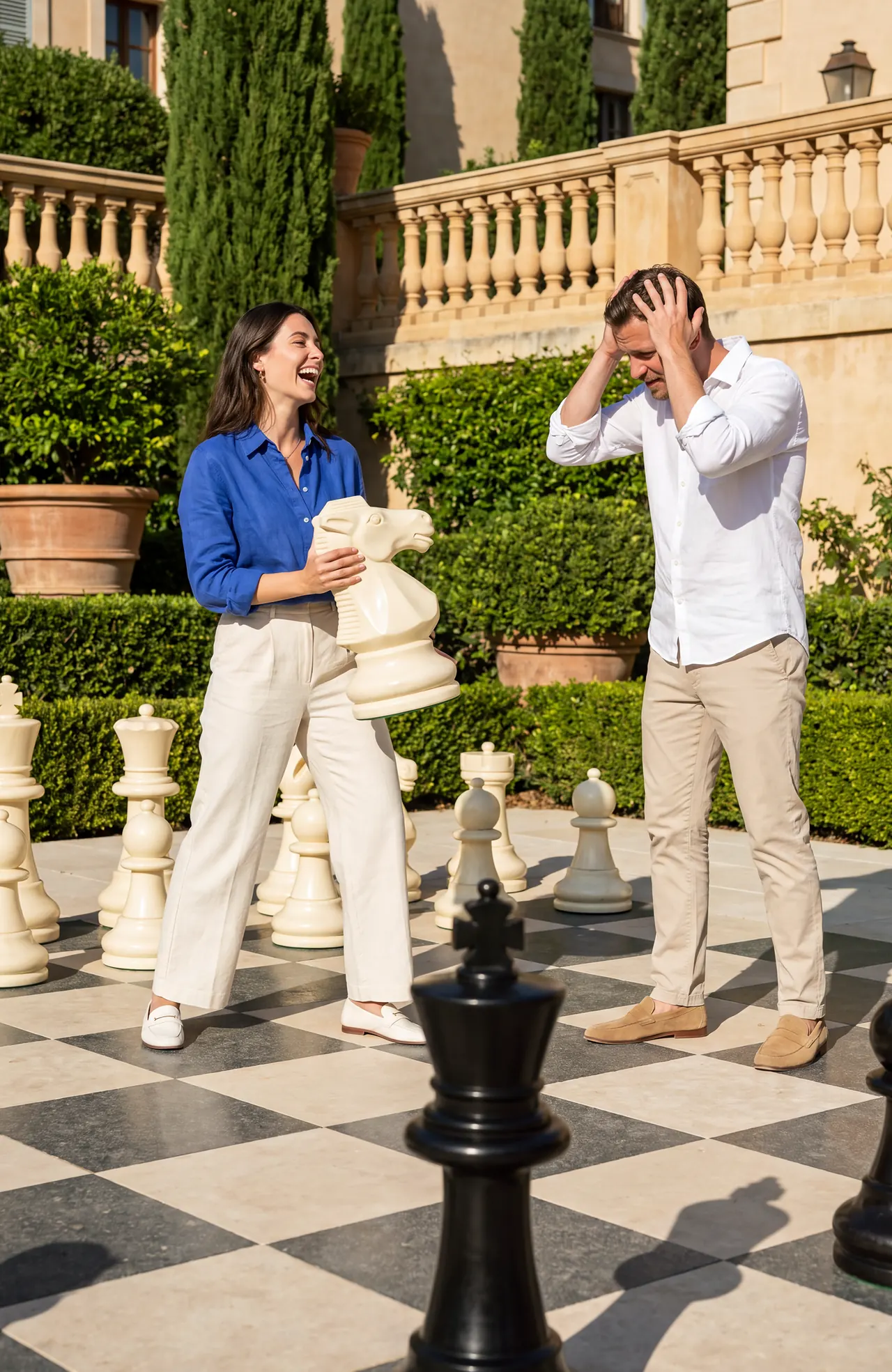
Giant chess
Big pieces on an outdoor or indoor board. It slows the pace and draws a watching crowd. Resort lawns and mall courtyards suit it well, and it photographs beautifully.
Giant carrom and other table classics
A floor-sized carrom board with large strikers turns a living-room game into a full-body sport. Other favourites include giant snakes and ladders, jenga-style stacking blocks and oversized tic-tac-toe.
Where giant games earn their place
- Malls: weekend activations, festival campaigns and kids’ zones that keep families on the floor longer.
- Resorts and hotels: lawn games that fill afternoons between the pool and dinner.
- Corporate offsites: team challenges with tournament brackets and prizes.
- Schools and campuses: sports days, fests and orientation weeks.
- Restaurants and cafes: outdoor seating areas where waiting guests play instead of complaining.
Nobody remembers the PowerPoint from the offsite. Everyone remembers who lost at human Ludo.
Turning games into events
A board on its own is fun. A board with a host, a scoreboard and a prize becomes an event. For corporate groups, build a tournament: teams rotate through Ludo, chess and carrom, scores go on a big board, and the final is played in front of everyone. For malls, run a weekend league and announce winners on social media.
Branding is easy too. Mats and pieces can carry logos or festival themes, which makes giant games popular with sponsors and brand activations.
- Choose two or three games that suit your space and crowd.
- Add a host who can explain, referee and keep energy high.
- Create a simple scoring system and visible leaderboard.
- Finish with prizes and a group photo.
Care and durability
Giant game mats and pieces are built for heavy use, but they last longer with care. Keep mats clean and dry, store them rolled rather than folded, and keep outdoor sets out of the harshest midday sun when not in use. Check dice and pieces for cracks, and replace small parts before they go missing. A quick wipe-down at the end of each day keeps colours bright and printed boards readable for years, which matters when the set is also your brand.
Keep a spare set of dice. In our experience, giant dice are the first thing to wander off, usually under someone’s arm towards the car park.
See the full range of giant games in our attractions catalogue.
FAQ
Can giant games be used indoors?
Yes. Most giant games work on any flat surface, indoors or out. Check ceiling height for games that involve throwing large dice.
What age groups enjoy giant games?
All of them. Young children love the scale, adults love the competition and older guests enjoy a game they already know.
Can we brand the games for an event?
Yes. Mats and pieces can usually be customised with logos, colours or themes for corporate events and brand activations.
Planning something like this?
Talk to us on WhatsApp


